



News
Latest News
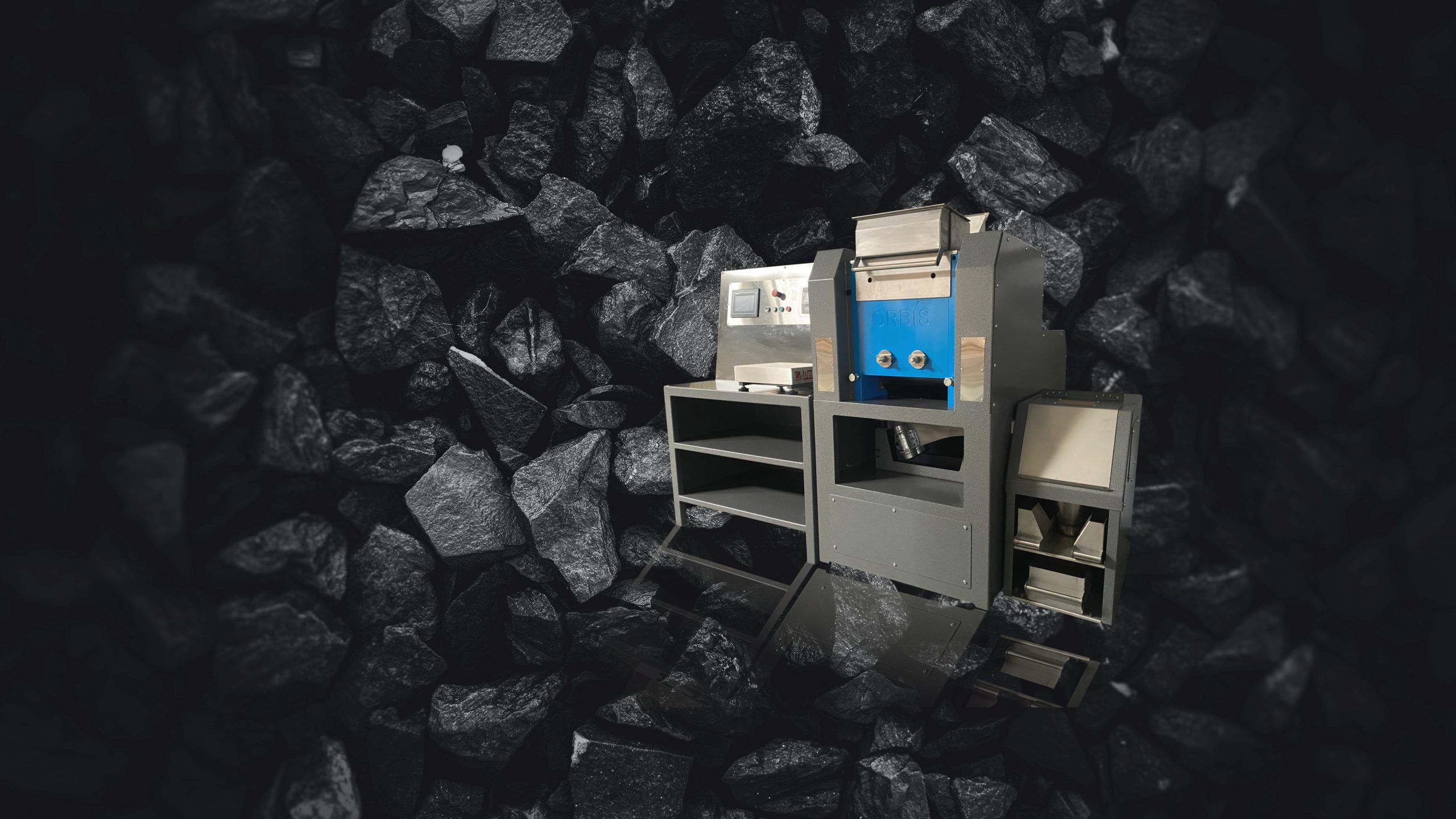
New Product Release – Orbis OM25
The crushing performance developed for demanding mining applications — now available for your industry.
XRF Scientific has today released its brand new Orbis OM25 laboratory jaw crusher.
Designed for industries including cement, construction materials, environmental and recycling, geology and metallurgy, and glass and ceramics, the new Orbis crusher combines powerful size reduction with simple and reliable operation.
At the heart of the crusher is Orbis’ unique double-action jaw design, where both jaws move simultaneously. Unlike conventional single-toggle jaw crushers, this technology provides an exceptional reduction ratio of up to 35:1 in a single pass.
The double-action crushing mechanism also provides smooth, low-vibration operation wh
...
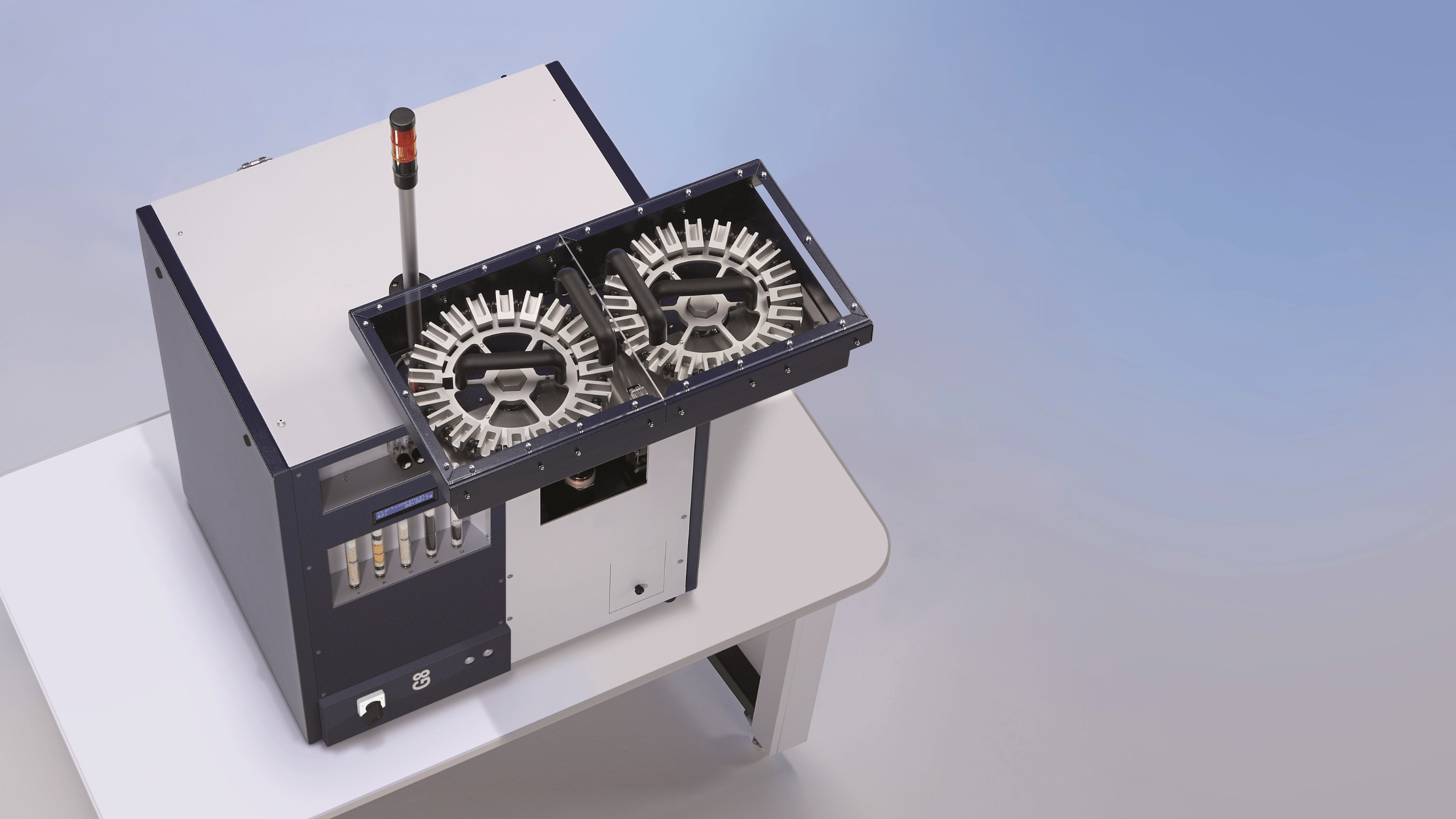
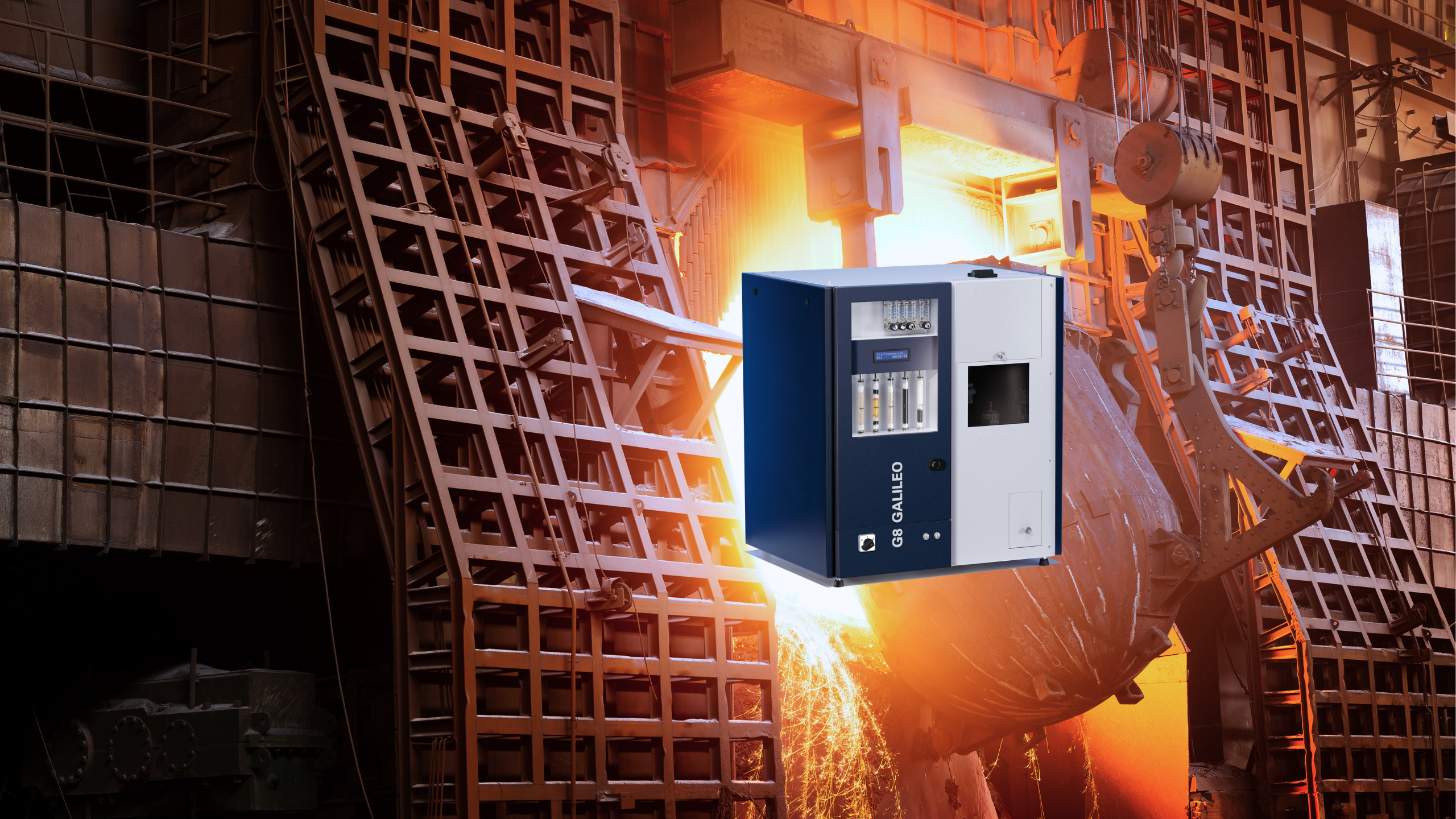
G6 LEONARDO vs G8 GALILEO: Choosing the Right ONH Analyzer for Your Lab
Every laboratory has different priorities that must be met when investing in an oxygen, nitrogen, and hydrogen (ONH) analyzer. Some focus on routine quality control, while others require greater automation and specialized testing capabilities. Selecting the right ONH system means looking beyond analytical performance to consider factors such as sample throughput, operating costs, maintenance requirements, and future testing needs. The G6 LEONARDO and G8 GALILEO from XRF Scientific each deliver precise inert gas fusion (IGF) analysis, but are designed to support different laboratory workflows and operational objectives.
ONH and the Role of Inert Gas Fusion
Oxygen, nitrogen, and hydrogen have a significant influence on the mechanical properties, corrosion resistance,
...How Does ONH Analysis Work?
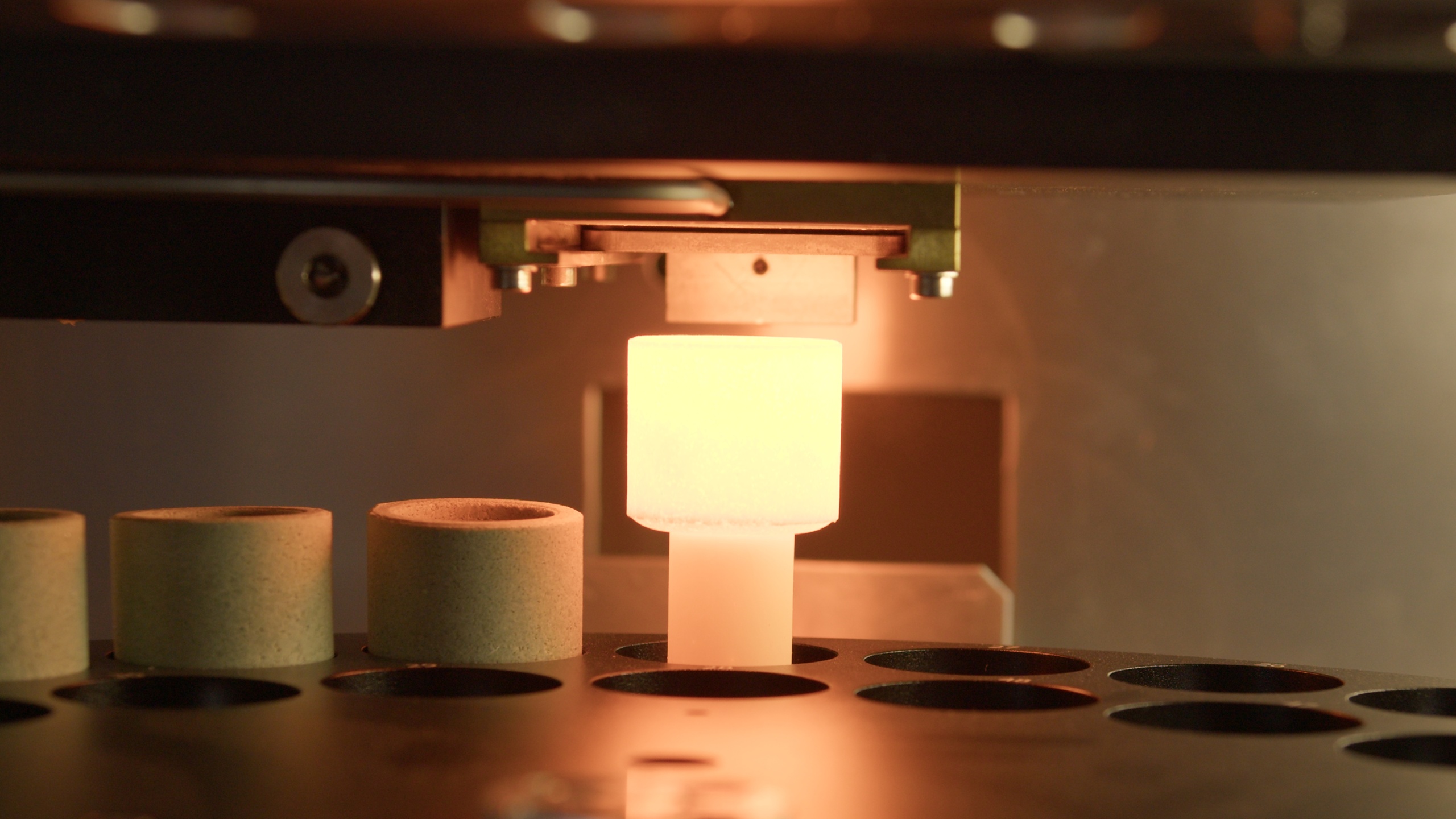
Materials used in industries such as aerospace, automotive, and steel manufacturing often contain small amounts of oxygen, nitrogen, and hydrogen (ONH) within their crystal structure. While these interstitial gases are invisible to the eye, they can significantly affect material performance. ONH analysis measures them by extracting the gases from the sample and analyzing each one separately, providing the accurate compositional data needed for informed manufacturing and quality decisions.
The Science Behind ONH Analysis
Oxygen, nitrogen, and hydrogen exist as interstitial elements, meaning they occupy microscopic spaces within a material’s crystal lattice. Since they are embedded throughout the bulk material, conventional surface analysis cannot accur
...View All Latest News ›